
Poland is increasingly becoming a popular destination for international students and travelers alike. Here’s a compilation of frequently asked questions that provide insights into studying, living, and exploring this vibrant country.
1. Is Poland a Good Destination for International Students?
Yes, Poland is considered an excellent choice for international students. It offers a rich cultural experience, historical landmarks, and a variety of social activities. Many students praise the beautiful landscapes and vibrant city life, making their stay enjoyable and enriching.
2. Do I need to know Polish enough to study in Poland?
No, you do not need to be fluent in Polish to study in Poland. Many universities offer programs in English, and a basic understanding of Polish can enhance your experience. However, if you choose to study in Polish, you will need to demonstrate proficiency in the language.
3. What Are the Tuition Fees for International Students?
Tuition fees vary depending on the type of university (public or private), the language of instruction, and the specific program. Generally, public university fees range from €1,500 to €3,000 per year, while private universities may charge between €2,000 and €6,000 annually.
4. Can I Work While Studying in Poland?
Yes, international students are allowed to work part-time (up to 20 hours per week) during their studies and full-time during academic breaks without needing a special work permit.
5. How Long Does It Take to Complete a Degree?
Typically, a Bachelor’s degree takes about three years (six semesters) to complete, while a Master’s degree usually requires 1.5 to 2 years (three to four semesters) depending on the field of study.
6. Are Scholarships Available for International Students?
Yes, various scholarships are available, particularly for students of Polish origin. Additionally, many universities offer their own scholarship programs. It’s advisable to check with the specific university for available options.
7. What Is the Admission Process for Universities in Poland?
The admission process involves submitting the required documents, which vary by program level (undergraduate, master’s, etc.). Generally, students need to provide proof of previous education and language proficiency. The application process can take several weeks, so starting early is recommended.
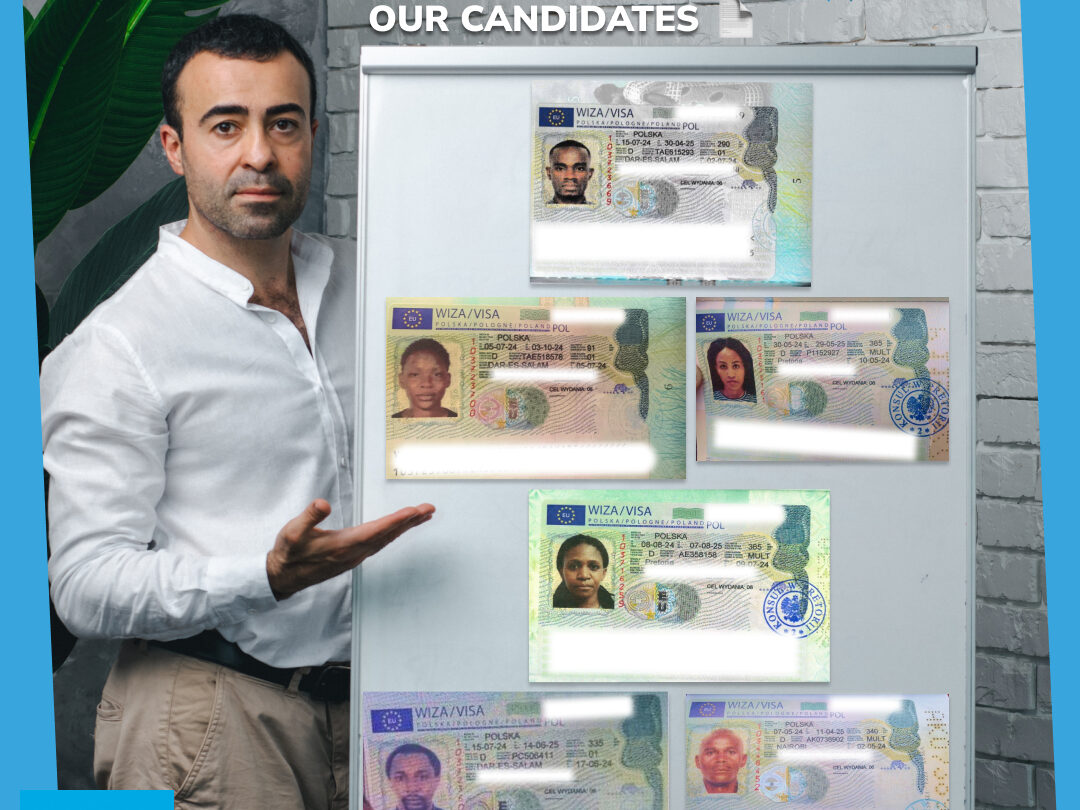
8. Do I Need a Visa to Study in Poland?
EU/EEA students do not need a visa but must apply for a temporary residence permit if staying longer than 90 days. Non-EU/EEA students need to obtain a student visa from a Polish embassy or consulate before arriving. It is important to remember that visas are granted for a maximum of three months. In order to extend the stay in Poland, it is necessary to apply for a residence permit for a specified period in the Voivodeship office. For further assistance, students are strongly urged to contact the International Relations Office of their university.
9. When Does the Academic Year Start?
The academic year in Poland typically starts in October and is divided into two semesters. The first semester runs from October to mid-February, with a break for Christmas, while the second semester lasts from mid-February to June.
10. What Are the Living Costs in Poland?
Living costs in Poland are relatively low compared to Western Europe. Depending on the city and lifestyle, monthly expenses can range from €300 to €600. Major cities like Warsaw and Krakow may be on the higher end of this spectrum, while smaller towns are generally more affordable. Poland offers a unique blend of educational opportunities, cultural experiences, and a welcoming environment for international students. Whether you are considering studying or traveling, understanding these frequently asked questions can help you make informed decisions about your journey in Poland.
